
There is a kind of salutary intoxication that comes from sinking one’s hands into the soft soil of a garden. It doesn’t matter to me if I am pulling weeds or tucking in seedlings; the effect is the same. To then come inside with a handful of winter greens and pea pods for a salad or a couple of oranges for tomorrow’s lunch is just a bonus. The real reward is in the garden work itself. It transforms me as much as I transform my garden.
I write essays on Substack about artificial intelligence (allnaturalintelligence.substack.com). I didn’t really plan for my Substack page to focus on AI; it’s just that AI is the topic I continually feel most compelled to write about. It feels the most urgent. But I think that is in large part because AI feels like the one thing most antithetical to nature, and nature feels like the one thing most critical for human survival, in both the long term and the short term.
So I’ve realized that not only do I need to return daily to nature to restore body and soul, but I also need to return more often to writing about nature. I thought this space on my author website would be where I write about writing, but I always somehow return to writing about nature. Who needs another writer writing about writing, anyway?
My husband and I bought our house at the end of 2019, so we spent our COVID lockdown creating a garden. We carved out that garden with our bare (gloved) hands. I mean literally carved. Our hillside backyard was neglected, overgrown with stands of privet and trees so randomly placed that they surely started as weeds. The flat part near the house was solidly compacted dirt, where even the grass could only eke out a patchy growth.
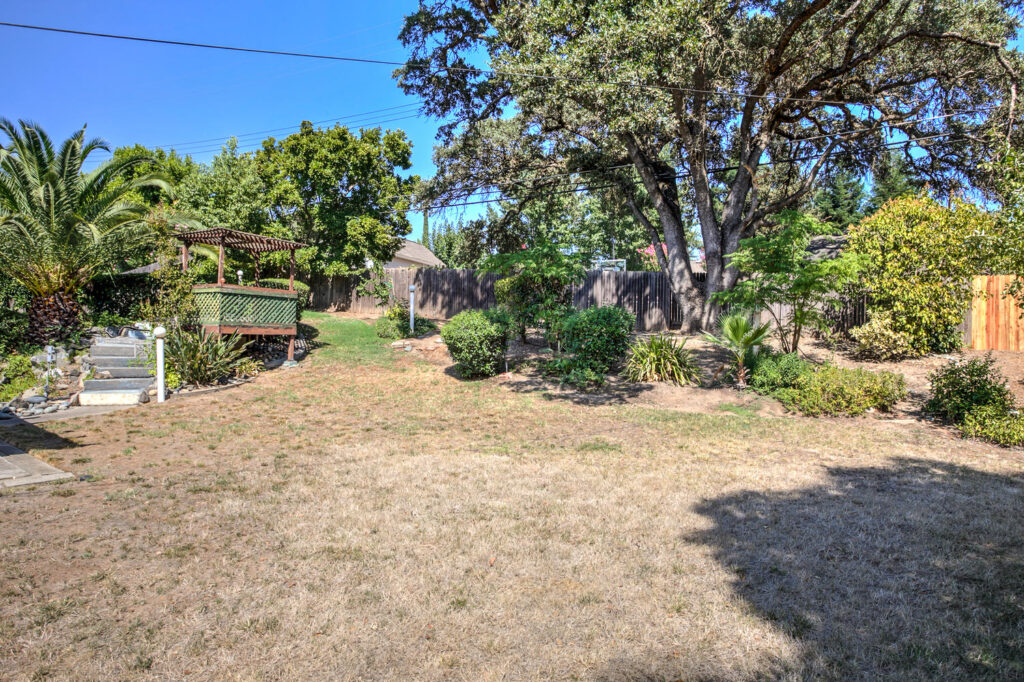
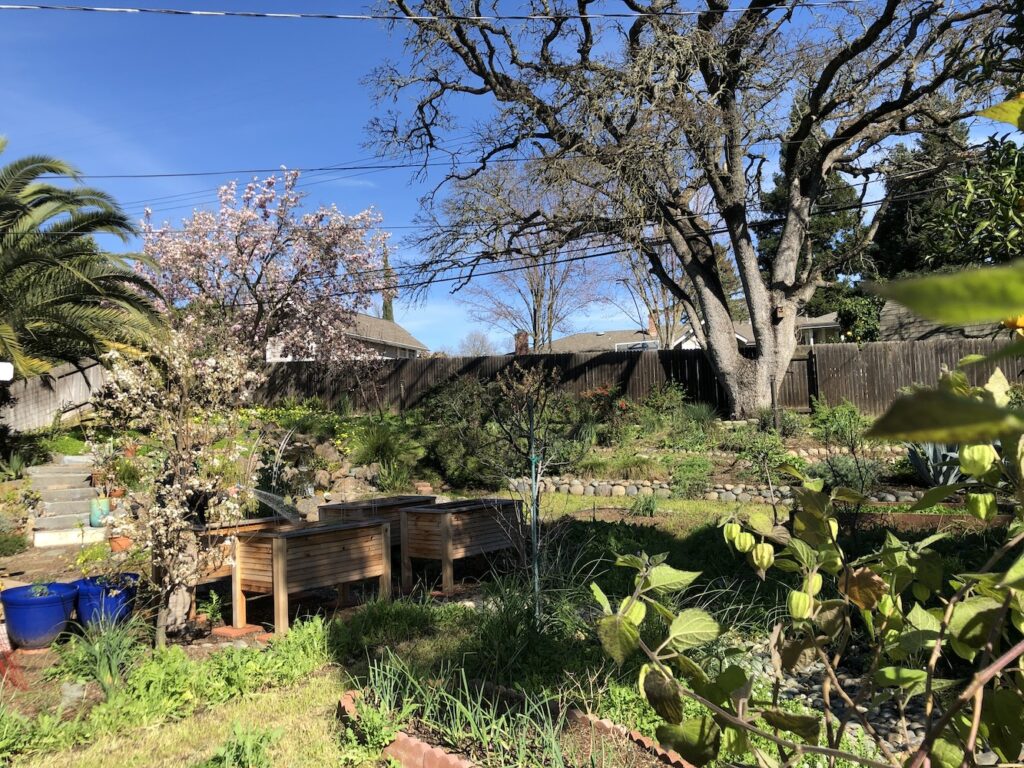
We spent the first year just hacking and pulling and pick-axing, hauling in yards of fresh compost by the wheelbarrow-full. We created a meadow, carved out holes to plant fruit trees, and set up a battery of raised beds for vegetables.
Our house was built in 1960, and as we hacked and carved at the ground, we excavated artifacts of bygone eras: a plastic bag full of pop-top cans; ancient PVC pipe, a long-buried border of old bricks; and scattered bits of inexplicable wire and plastic and rubber and glass. The satisfaction of seeing a toxic waste dump transformed into a fertile, organic garden kept us going back out there in spite of the exhaustion and pain in our bodies. And we could keep doing it because our bodies were getting stronger as a result.
When the pollinators started appearing—humming birds and an astonishing variety of bees ranging from gigantic black bumbles to tiny specks I might mistake for a mosquito—we were mesmerized by the constant movement they brought to our landscape. Every square foot was literally alive. The birds followed, and we’ve counted at least 35 species hanging out with us at various seasons. Our pond has been visited by egrets, Cooper’s hawks, and ducks (we’ve had to evict the latter lest our dipping pond become a muddy mess). Flocks of robins and juncos bathe hilariously in our tumbling waterfalls. It feels as though we conjured all of it.
There is nothing artificial about any of this, and there is nothing here that AI could possibly accomplish. It is a world entirely beyond the reach of big tech. The cocky bros are impotent here, they wield no influence, have no effect. That is paradise, and it’s right outside my door.